
BRM-loading · layering pigment…
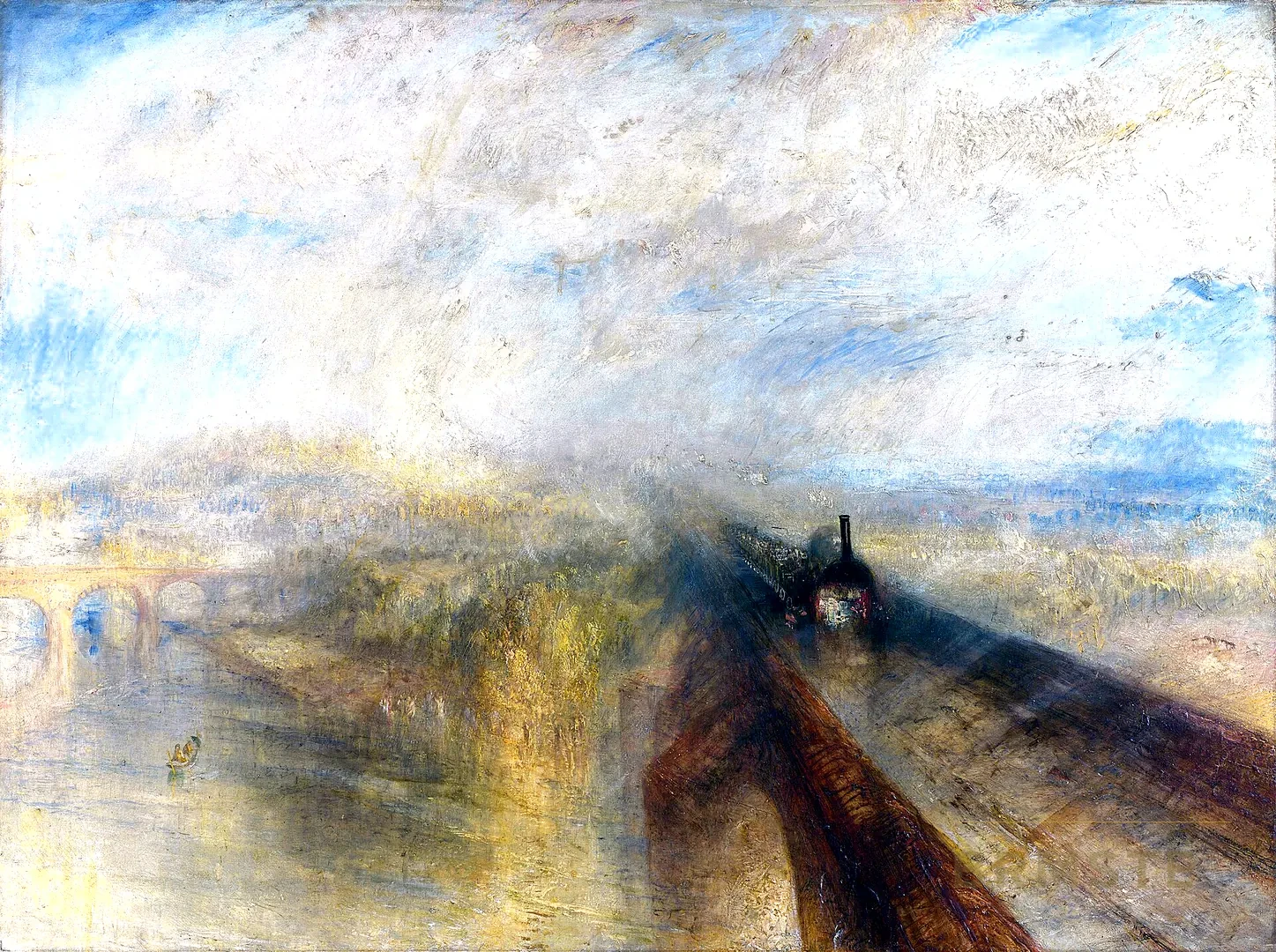
BRM-loading · layering pigment…
Provenance · verify it yourself
From 2 August 2026, the EU AI Act (Article 50) requires AI-generated content to carry machine-readable provenance, and deepfakes to be disclosed. BRMSTE built the answer first: signed attestation + SHA-256 audit, with a live verifier anyone can use.
EU AI Act, Article 50 — providers must make AI output technically detectable via machine-readable marking; deployers must disclose deepfakes and certain AI-generated text. Binding from 2 August 2026. No single marking technique satisfies it alone — the regulation expects a multi-layered approach: signed metadata and embedded marking.
Multi-layered by design — exactly what Article 50 asks for, and already live and checkable.
Every claim BRMSTE publishes can be signed by a hardware-backed root key. Anyone recovers the key and checks it — no authority taken on faith. Live now at /trust.
Content and decisions are hashed and anchored, so any later tampering is detectable. The hash is the receipt; the chain is the history.
Provenance metadata an EU-compliant detector — or another AI agent — can read directly: who, when, what, and a signature to verify it against.
Honest scope:BRMSTE offers this layer and runs a working verifier — it is not a certification body, a legal compliance guarantee, or the official EU standard. The Article 50 obligation is on AI providers/deployers; BRMSTE’s tooling helps meet the provenance part, verifiably.